
Explore AML & Sanctions Compliance Resources
Find all our case studies, webinars, and compliance guides in one place.

Resource Library
Search and filter through our collection of AML and sanctions compliance materials.
Guides
A Guide to Screening the Businesses You Work With
A Guide to Screening the Businesses You Work With
A Practical Framework for Detecting, Assessing & Managing Reputational Risk at Scale
A Practical Framework for Detecting, Assessing & Managing Reputational Risk at Scale
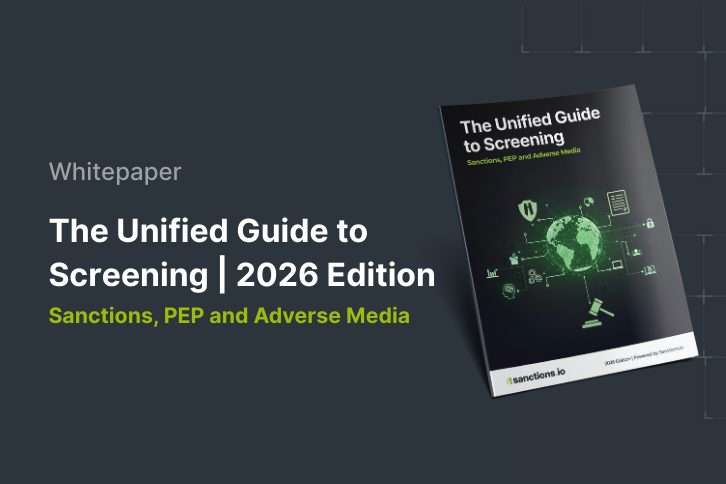
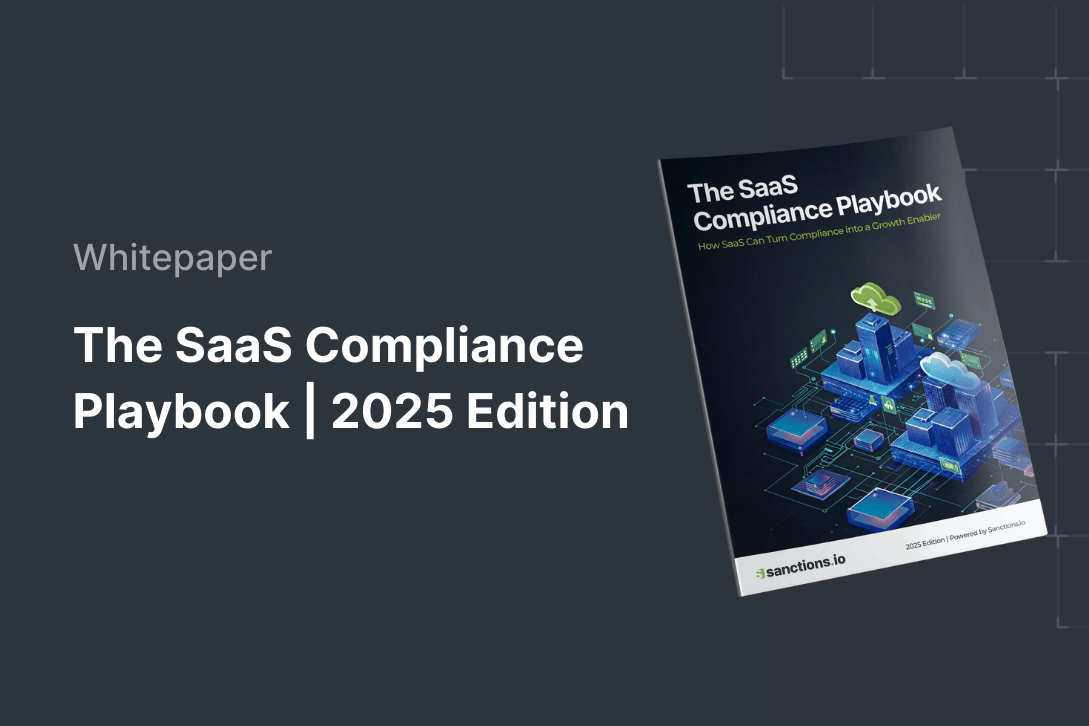
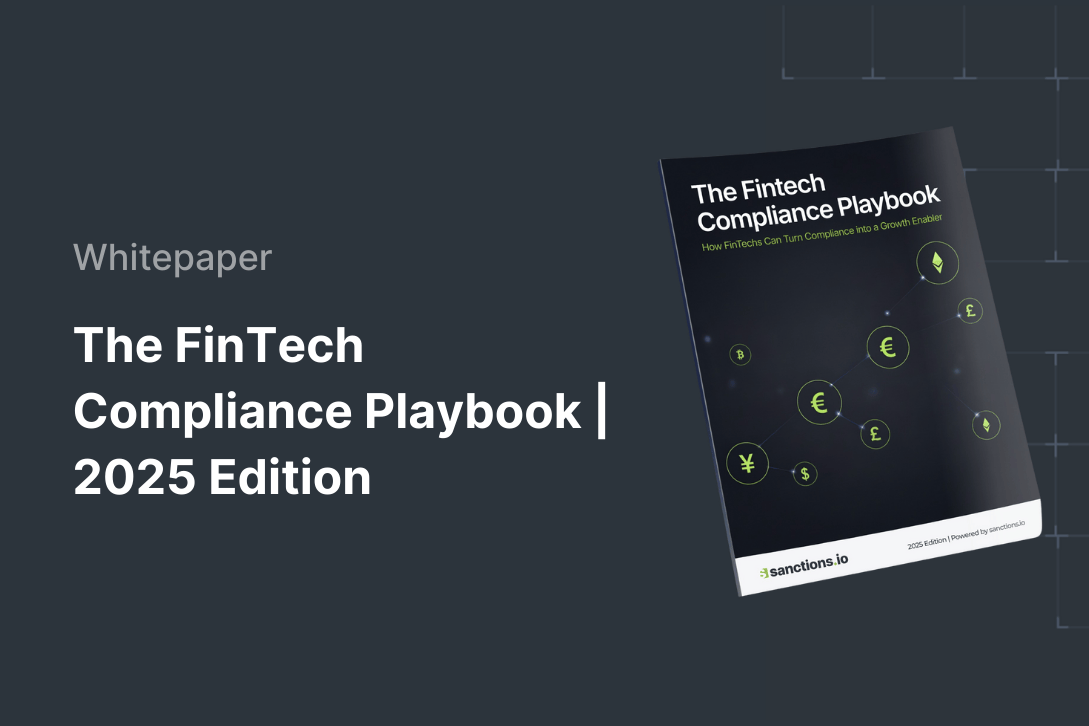
Get your free Sanctions Screening Guide now. Discover simple steps to set up an effective screening process.
Get your free Sanctions Screening Guide now. Discover simple steps to set up an effective screening process.
Case Studies
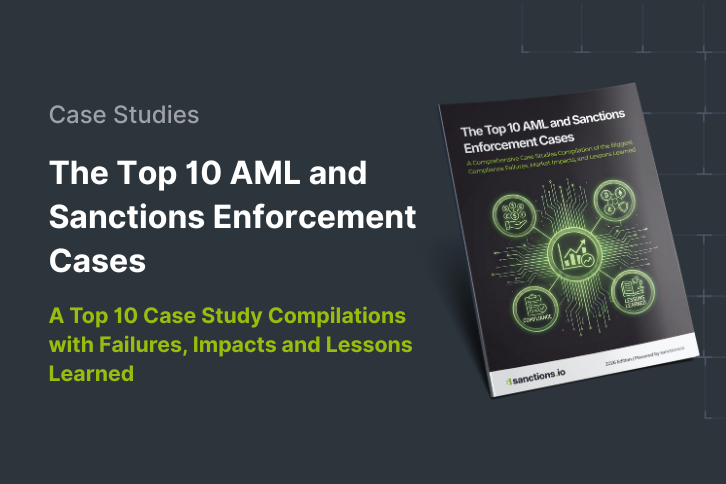
A Guide to the Top 10 Sanctions a AML Enforcement Cases with Lessons Learned and Key Takeawaysnd
A Guide to the Top 10 Sanctions a AML Enforcement Cases with Lessons Learned and Key Takeawaysnd

Discover how data.world partnered with sanctions.io to streamline global sanctions compliance. Here's what's inside:
Discover how data.world partnered with sanctions.io to streamline global sanctions compliance. Here's what's inside:
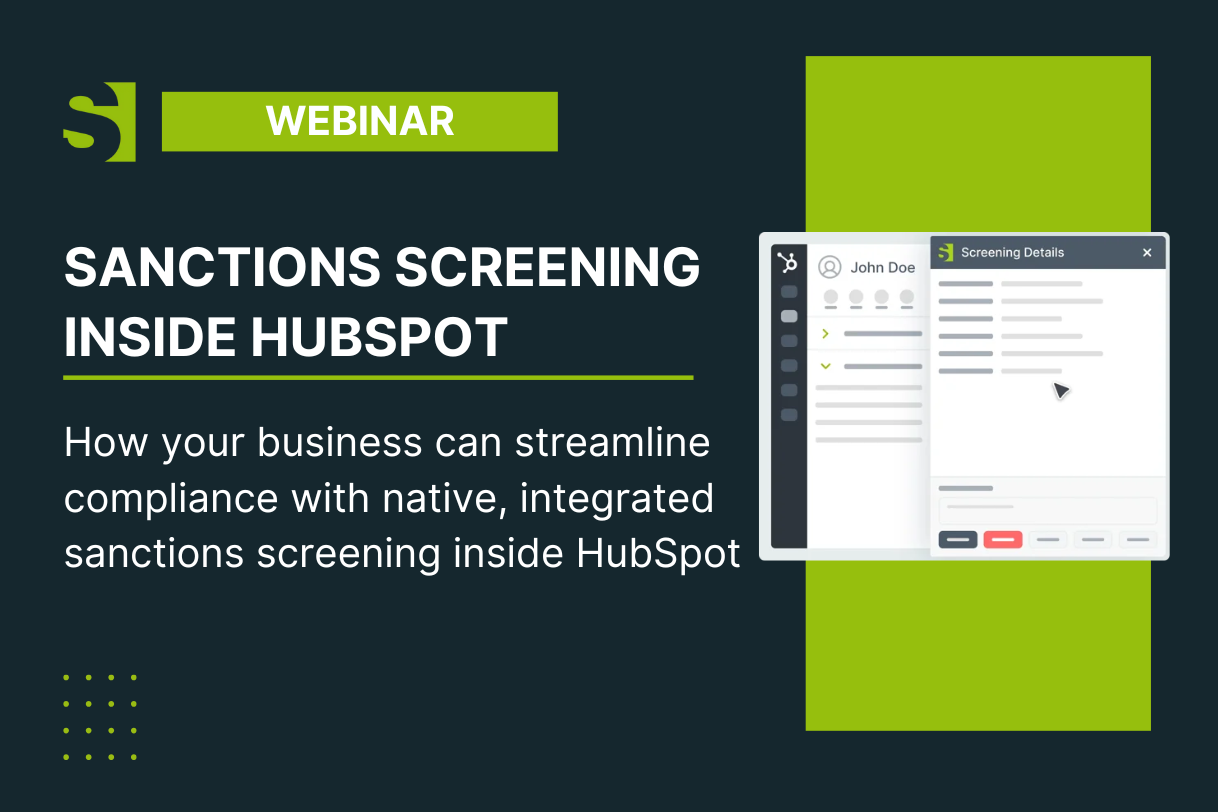
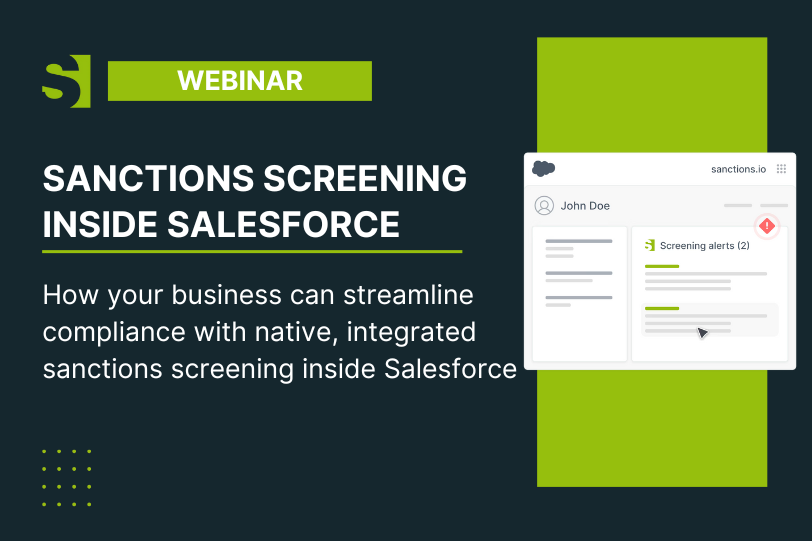
Webinars
Blog Posts
Get our latest news, blog posts, and industry insights straight to your inbox by subscribing to The Monthly Brief.
Join 400+ Organizations That Trust sanctions.io
Start your free trial or schedule a call to streamline your compliance operations.
